SAA Nigeria Launches Oyo State Project to Boost Climate-Resilient Agribusiness
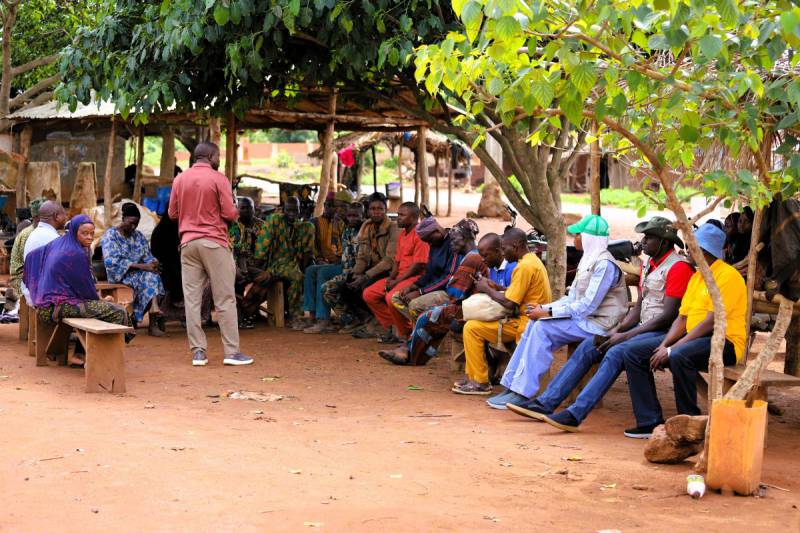
The Sasakawa Africa Association (SAA) Nigeria, with support from The Nippon Foundation, has officially launched its agricultural intervention programmes in Oyo State, South-West Nigeria, through a week-long pre-season Training of Trainers (ToT) programme and community sensitization campaign aimed at strengthening smallholder productivity, improving food security, and promoting climate-resilient agriculture ahead of the 2026 cropping season.
Held from June 1 to 7, 2026, the programme brought together technical teams from SAA Nigeria, including program officers in Climate-Resilient and Sustainable Agrifood Systems, Inclusive Markets and Agri-business Development, Safe, Adequate & Nutritious Food Systems, Communications, and Monitoring and Evaluation. The team delivered targeted training to an initial cohort of seven Extension Agents and one State Coordinator, laying the foundation for improved soil health, increased productivity, and stronger market integration across participating communities.
The training marks SAA's formal commencement of smallholder productivity enhancement activities in Oyo State and represents an important milestone in the organization’s expansion into South-West Nigeria.
Expanding SAA’s Footprint in South-West Nigeria
The programme was designed to address growing challenges facing smallholder farmers, including declining soil fertility, climate variability, low productivity, limited market access, and poor nutrition outcomes.
“This strategic initiative is designed to address the urgent need for food security and climate-resilient farming practices across South-West Nigeria,” said Dr Godwin Atser, Country Director, SAA Nigeria. “By adopting a step-down training model, we are equipping extension personnel with the knowledge and skills needed to transfer improved agricultural practices to thousands of smallholder farmers across our target communities in Oyo State, thereby driving sustainable agricultural productivity.”
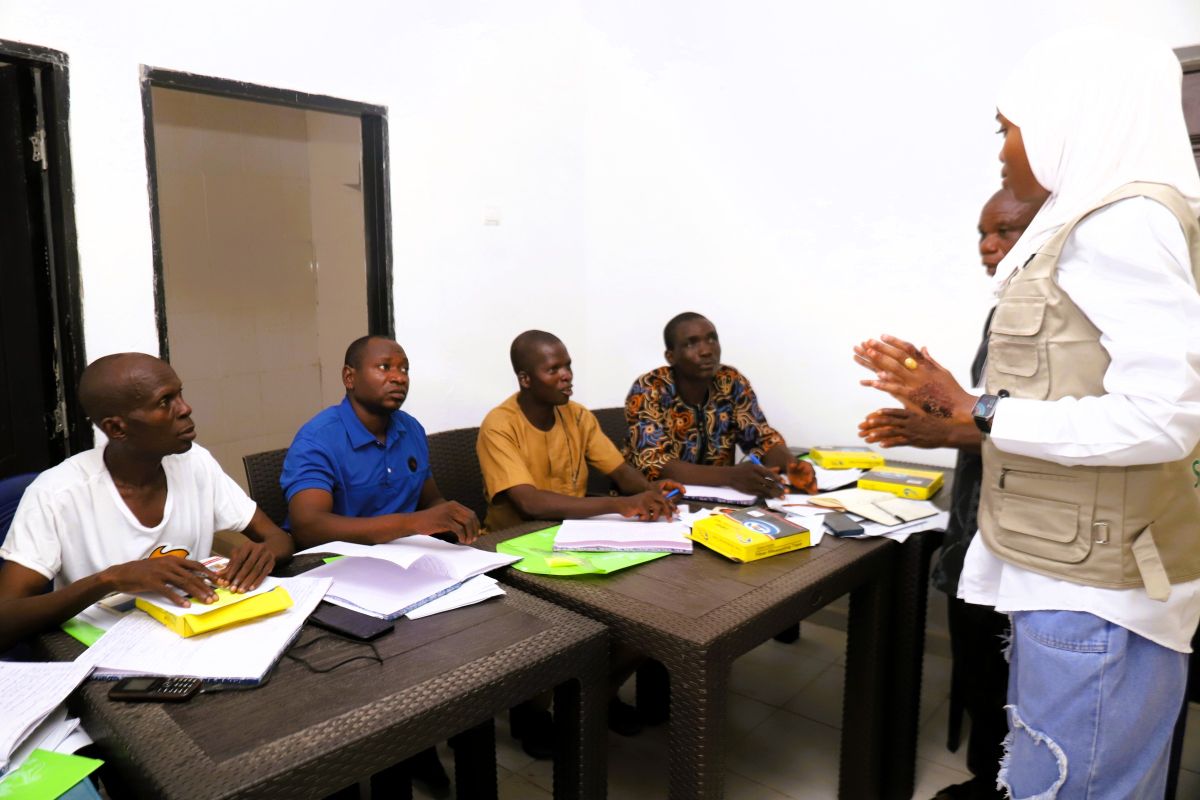
SAA's Maryam Kikelomo Aliyu conducting Regenerative Agriculture training for EAs in Oyo State.
Preparing Extension Agents for the 2026 Cropping Season
Participants received practical training on improved production practices for maize, soybean, and cassava, as well as Integrated Soil Fertility Management (ISFM), Integrated Pest Management (IPM), digital data collection, field monitoring, and extension delivery methods.
on the training also introduced approaches for strengthening agribusiness development, including community-based seed multiplication, produce-marketing, and value chain development, Community Savings for Investment in Agribusiness (CSIA), and the Smallholder Horticulture Empowerment and Promotion (SHEP) approach. These interventions are expected to strengthen farmers’ ability to increase productivity while improving their access to markets and income-generating opportunities.
Promoting Climate-Resilient and Nutrient Sensitive Agriculture
Recognizing the close link between agriculture and nutrition, the programme incorporated nutrition-sensitive agriculture components aimed at improving household nutrition outcomes. Facilitated by the Nutrition-Sensitive Agriculture team, the sessions promoted dietary diversity, improved post-harvest handling practices, mechanization, and home-based food processing techniques that contribute to better nutrition and value addition.
Emphasis was placed on raising awareness about the cultivation and consumption of nutrient-rich and biofortified crops, including Quality Protein Maize (QPM), SOSAT and Zinc millet varieties, improved soybean varieties such as TGX 1448-2E and TGX 1951, and Provitamin A crops. Participants were shown how these crops can contribute to improved nutrition and help address micronutrient deficiencies among rural households.
To strengthen data quality and programme accountability, the final phase of the indoor training included agricultural communication and digital data management modules facilitated by the Monitoring and Evaluation team. Through practical exercises using Computer-Assisted Personal Interviewing (CAPI) platforms, participants learned how to use electronic data collection tools, maintain community engagement records, and complete standardized reporting templates.
The training also equipped extension agents with field assessment skills, including methods for estimating crop yields, measuring post-harvest losses, and assessing household nutrition outcomes using the Household Dietary Diversity Score (HDDS). These competencies will support evidence-based decision-making and effective programme monitoring throughout implementation.
Engaging Communities Ahead of Implementation
The pre-season programme concluded with a series of community sensitization campaigns conducted between June 4 and 6, 2026, across seven intervention communities in five Local Government Areas of Oyo State. The outreach activities covered Oyo East, Atiba, Afijio, Oyo West, and Iseyin Local Government Areas, reaching communities including Maye, Ayelade, Ijawaya, Akodudu, Adebimpe, Oniyanrin, Olorunda, Aawon, Alagogo, and Abokede.
The community engagements provided an opportunity to introduce the project to local stakeholders, build trust, and familiarize prospective beneficiaries with the programmes objectives, available technical support, and planned interventions. The exercise also strengthened collaboration between SAA and community leaders, creating a solid foundation for successful implementation of agricultural activities during the 2026 cropping season.
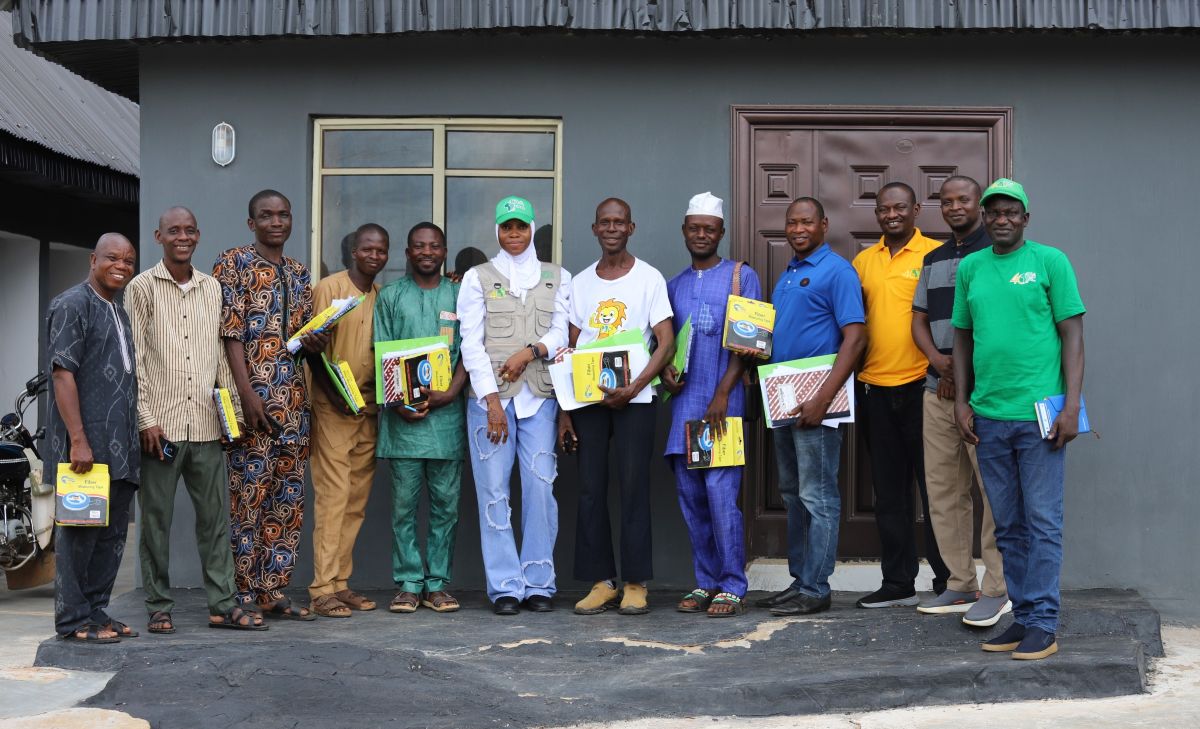
Group photo of Extension Agents and SAA technical teams after the Training of Trainers exercise in Oyo state Nigeria.
Establishing Demonstration Plots for Farmer Learning
Speaking at the conclusion of the field activities, Dr Moshood Suleiman, SAA Program, described the successful completion of the pre-season training and community sensitization exercise as a critical first step toward improving agricultural productivity and household nutrition outcomes in the state.
“The enthusiasm and level of engagement we witnessed across the communities reaffirm the importance of providing farmers with practical knowledge and access to proven technologies,” Dr Suleiman said. “Our next phase will focus on establishing 32 demonstration plots across eight intervention communities in five Local Government Areas. These plots will serve as farmer learning platforms where participants can observe, test, and adopt improved production practices, climate-smart technologies, and nutrition-sensitive agricultural innovations throughout the season. Through this effort, we expect to reach an initial 800 smallholder farmers.”
As part of the next phase of implementation, SAA has commenced the distribution of farm inputs for the establishment of demonstration plots, which will be used to showcase best agronomic practices for key crops and facilitate hands-on learning among farmers. The demonstration sites will also serve as hubs for extension delivery, farmer-to-farmer learning, and the promotion of sustainable agricultural technologies.
Through this initiative, SAA Nigeria is laying the foundation for more resilient, market-oriented, and nutrition-sensitive agrifood systems while supporting smallholder farmers to improve productivity, livelihoods, and food security across Oyo State.
SAA Publications
E-newsletter
"Walking with the Farmer"
SAA publishes a bimonthly e-newsletter reporting on SAA activities.
SAA Mail News
Sign up to receive our e-newsletter and upcoming event information via email.

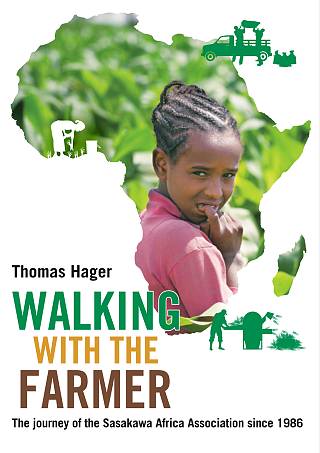
SAA history book
"Walking with the Farmer: The journey of the Sasakawa Africa Assoication since 1986"
This book chronicles the history of SAA from its inception to the present.

Annual Report
Annual Report FY2023
Annual Report FY2023 is available here.


