【Activity】Digital Finance for Agriculture in Karamoja: Unlocking USD 1.7 million for Smallholder Farmers
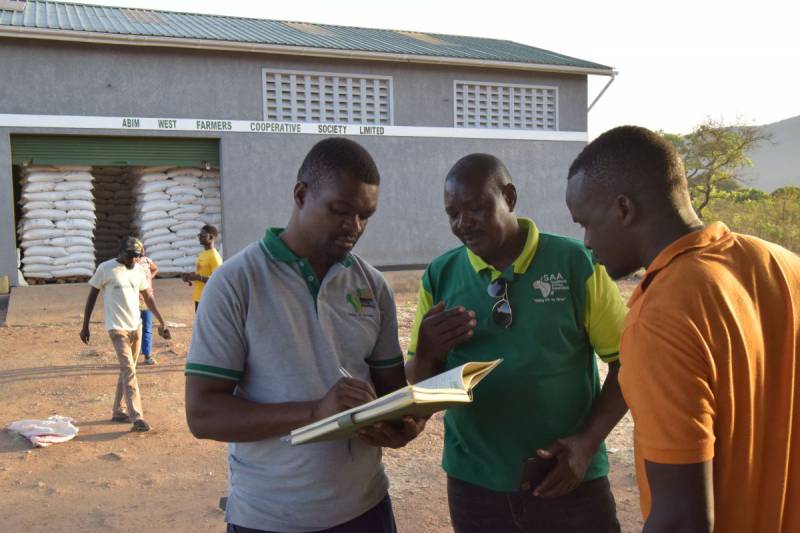
Across the semi-arid landscapes of Karamoja in Uganda, a quiet transformation is taking place. For generations, farming in the region has largely been shaped by subsistence production, unpredictable rainfall, and limited access to agricultural services. Today, however, a new model is emerging—one where smallholder farmers are increasingly organized, productive, and connected to markets.
This transformation is being driven through the Agricultural Market Support (AMS) programme of the World Food Programme (WFP), implemented in Karamoja by the Sasakawa Africa Association (SAA) Uganda. Through this initiative, SAA has been strengthening farmer organizations, improving production systems, and building structured market linkages that enable smallholder farmers to participate in commercial agriculture. A major breakthrough has been the partnership with Stanbic Bank Uganda, one of the leading financial services organizations in the country, aimed at unlocking access to formal agricultural finance for organized farmers across Karamoja. This collaboration is helping bridge the long-standing gap between rural farmers and commercial financial institutions, opening the door for farmers to invest in productivity-enhancing inputs and technologies.
From Strategy to Field-Level Impact
Efforts to unlock finance began with strategic engagement in Kampala where SAA presented evidence of systems already in place across Karamoja-organized farmer groups, aggregation structures, mechanization services, irrigation, and operational Once-Stop Center Associations (OSCAs). These discussions progressed to operational engagements with Stanbic Bank branches in Moroto and Kotido, where local bank teams interacted directly with to the farmer groups participating in the AMS programme, along with their production plans. The transition from national-level dialogue to local implementation helped translate the strategic commitment into practical financing opportunities for farmers on the ground.
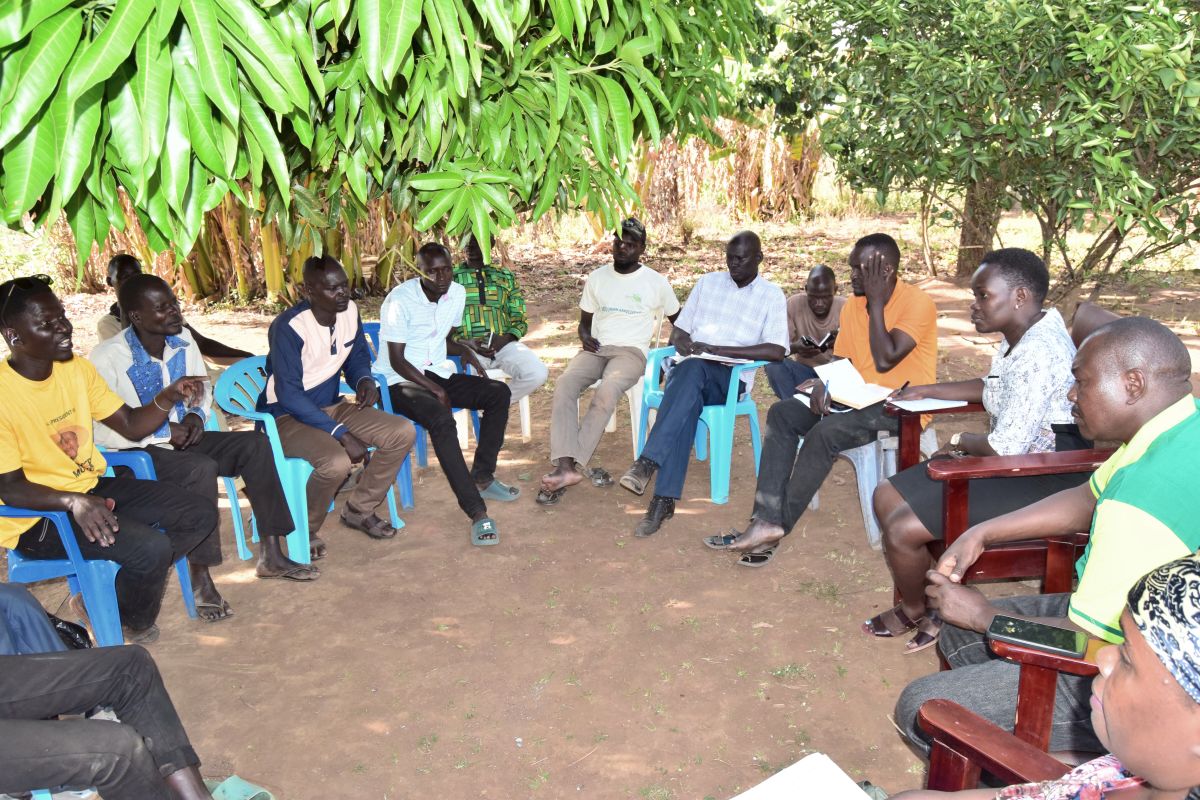
Farmers, SAA, and Stanbic bank teams discussing financial opportunities to improve production and markets.
Building Bankable Farmers: Systems Before Credit
Historically, Karamoja has been perceived as “unbankable” due to high transaction costs, lack of collateral, and climate risks. Stanbic Bank’s confidence in Karamoja’s farmers did not emerge overnight.
It is the result of deliberate investments made through the AMS programme to strengthen the entire agricultural ecosystem. Over the past several years, SAA has supported the establishment of key agricultural infrastructure and services designed to improve productivity and reduce risk. Twelve tractors have been strategically deployed across the region to support mechanized land preparation, enabling farmers to expand the acreage under cultivation.
Two fully operational OSCAs have been established to serve as hubs for aggregation, processing, and coordination of market activities. These centers include grain processing facilities that improve product quality and enhance value addition, while input shops ensure reliable access to certified seeds and other agricultural inputs. Storage facilities help reduce post-harvest losses, and irrigation infrastructure has been introduced to reduce climate-related production risks.
At the same time, SAA has invested heavily in farmer capacity development. Hundreds of farmers have received training in modern crop production practices, post-harvest handling, agribusiness planning, financial literacy, and the management of savings and investment groups. Farmers are now organized into structured producer groups that maintain records, plan production collectively, and market their commodities through aggregation systems anchored at the OSCAs.
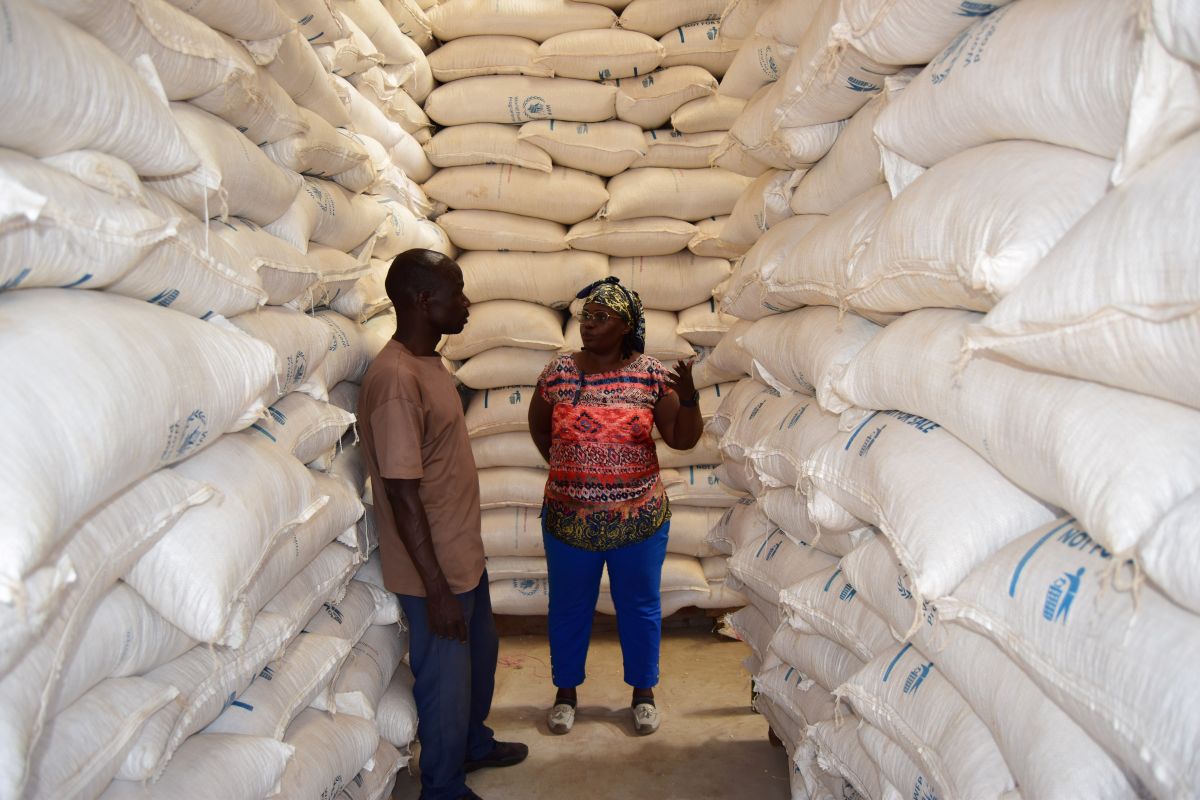
SAA officer and OSCA staff inspect the storage conditions of bulk stores at the OSCA.
Unlocking UGX 6.4 Billion (about USD 1.7 million) for Karamoja’s Farmers
As a result of these efforts, Stanbic Bank has expressed readiness to extend a range of financial products tailored to the agricultural sector. These include seasonal production loans, asset financing for farm expansion, working capital for cooperative aggregation activities, and individual agribusiness development loans. Importantly, the financing model will incorporate Stanbic Bank’s FlexiPay digital platform, which enables farmers to receive, manage, and repay loans through secure mobile-based financial channels.
Under the WFP AMS programme, SAA is currently supporting 394 farmer groups across Karamoja to access structured financial services linked to agricultural production. Each farmer group member is expected to access seasonal financing averaging UGX 650,000 (approx. USD 175). With an estimated 25 farmers per group, this initiative has the potential to unlock approximately UGX 6.4 billion (about USD 1.7 million) in agricultural production financing across Karamoja in the coming agricultural season.
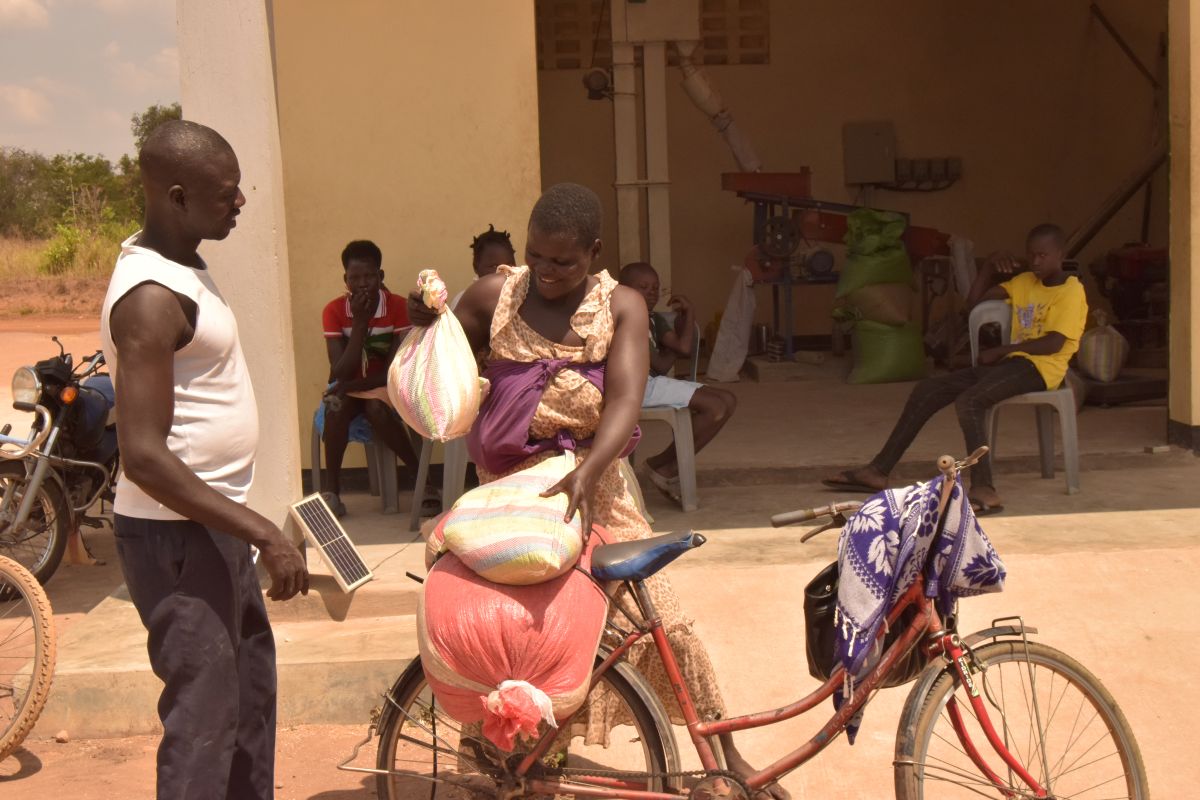
Extending Financial Services to Remote Districts
To reach farmers in districts without bank branches, the partnership between WFP, SAA, and Stanbic Bank is adopting an innovative hub-and-spoke financing model supported by digital banking systems and community-based structures. Under this model, the Moroto and Kotido branches serve as regional banking hubs responsible for loan approvals and financial management. From these hubs, financial services are extended to farmers across the wider Karamoja region through SAA-supported farmer groups, cooperatives, and the OSCAs. Through the FlexiPay digital platform, farmers will be able to receive loan disbursements directly through mobile-based financial channels without traveling long distances to a bank branch. SAA field teams will support farmer registration, digital onboarding, financial literacy training, and monitoring of loan utilization within their communities.
A New Financial Ecosystem
For many farmers in Karamoja, access to formal financial services has historically been extremely limited. Agricultural investment often depended on personal savings or informal borrowing, which constrained farmers’ ability to adopt improved technologies or expand production. Through the partnership between WFP, SAA, and Stanbic Bank, a new agricultural financing ecosystem is now emerging in the region.
With mechanization services, aggregation and processing through OSCAs, climate resilience strengthened through irrigation infrastructure, and digital financial systems enabling access to credit, the foundations for sustainable agricultural commercialization are steadily taking shape.
Across Karamoja, farmers are no longer simply cultivating crops for survival. They are building agribusinesses, strengthening cooperatives, and earning the trust of financial institutions. With finance now within reach, the next chapter of Karamoja’s agricultural transformation is only just beginning.
SAA Publications
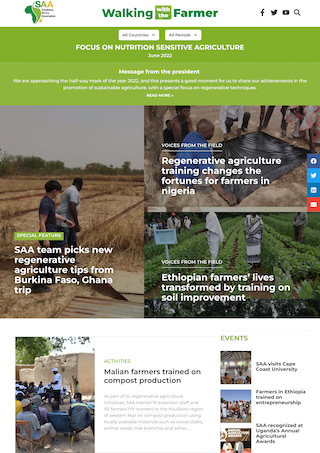
E-newsletter
"Walking with the Farmer"
SAA publishes a bimonthly e-newsletter reporting on SAA activities.
SAA Mail News
Sign up to receive our e-newsletter and upcoming event information via email.

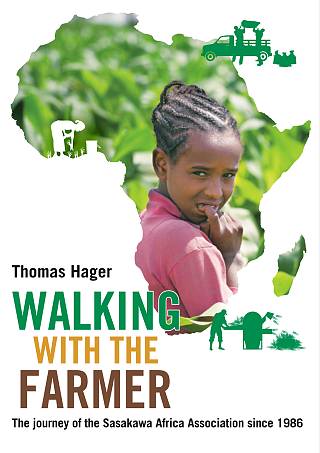
SAA history book
"Walking with the Farmer: The journey of the Sasakawa Africa Assoication since 1986"
This book chronicles the history of SAA from its inception to the present.

Annual Report
Annual Report FY2023
Annual Report FY2023 is available here.


