Official Launch of the Project to Combat Child Labour and Promote Economic Resilience
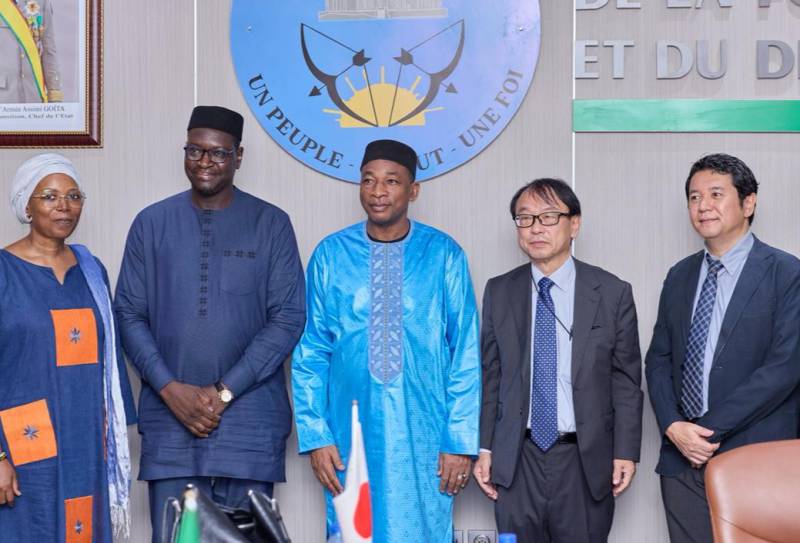
Bamako, 16 June 2026 –The official launch ceremony of the project “Eradication of Child Labour and Promotion of Economic Resilience of Populations in the Ségou Region” was hoseted by the Ministry of Labour, Civil Service and Social Dialogue.
With a duration of 12 months, the project is funded by the Government of Japan through its non-reimbursable economic cooperation program, with a total budget of USD 200,000, equivalent to approximately 120 million CFA francs.
The project is implemented by the ILO in partnership with Sasakawa Africa Asociation (SAA) Mali.
The initiative aims to sustainably reduce child labour in agricultural value chains—particularly cotton and rice—by strengthening the economic resilience of vulnerable farming households in the Ségou region.
A Persistent Challenge in Agricultural Communities
According to ILO estimates, Mali has approximately 2.5 million children engaged in economic activities, of whom 1.7 million are exposed to hazardous work. In the Ségou region, traditional manual farming methods and economic pressures often force households to rely on family labour during peak agricultural periods, exposing children to tasks that may jeopardize their development, safety, and schooling.
To address this situation, the project adopts an integrated approach that tackles the root causes of child labour by sustainably improving the living conditions of agricultural households.
Targeted Interventions for Sustainable Impact
The project will directly benefit 40 individuals (including 20 women) from vulnerable cotton-farming families, selected based on defined socio-economic criteria. By strengthening the economic capacities of these parents, the project strategically addresses the root causes of child labour. Consequently, approximately 240 indirect beneficiaries—including around 120 children—will benefit from a sustainable reduction in child labour, allowing them to attend school instead of working.
Planned activities include:
- Improving agricultural productivity;
- Promoting climate-resilient and climate-adapted agricultural practices;
- Strengthening the organizational and technical capacities of cooperatives;
- Improving access to markets and economic opportunities.
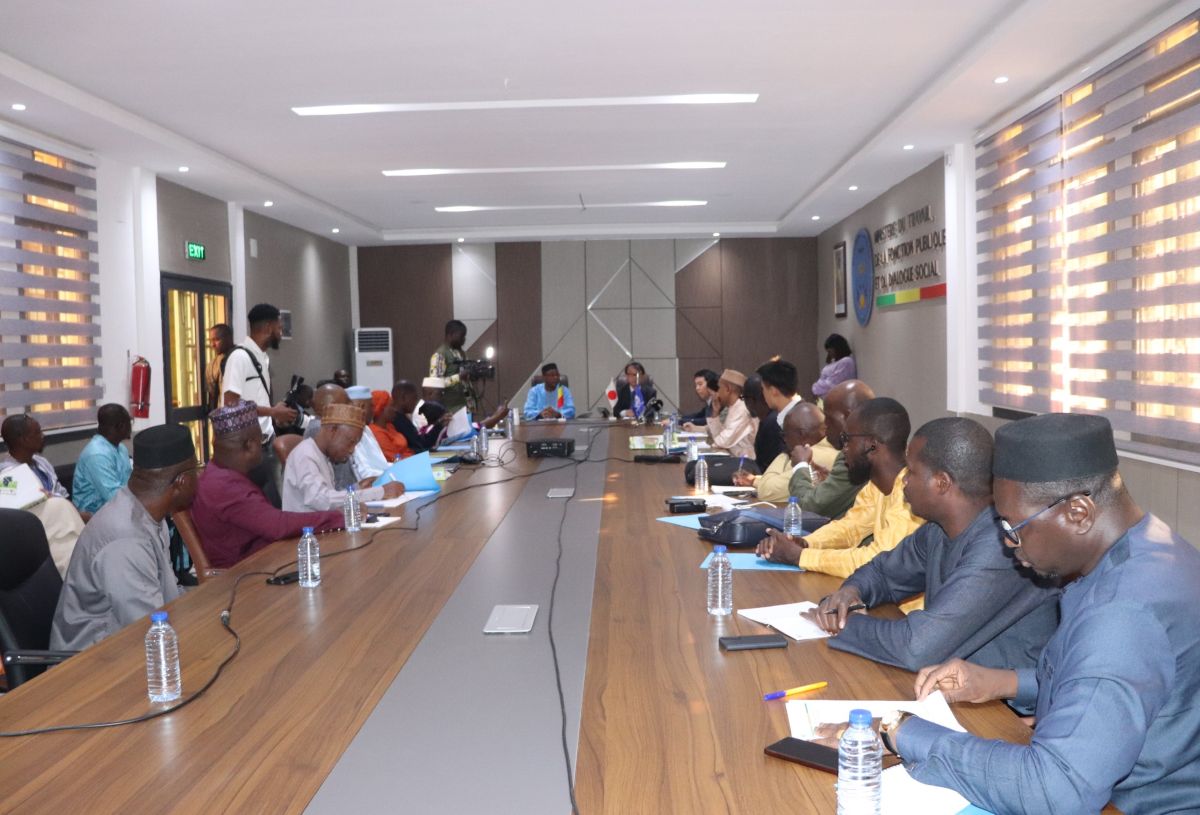
General view of participants in the conference hall during the official launch ceremony of the project.
Strong Commitment from Partners
The ceremony brought together the Minister of Labour, Civil Service and Social Dialogue, the Ambassador of Japan to Mali, representatives of the International Labour Organization (ILO), SAA Mali, as well as several technical and institutional partners committed to promoting decent work and sustainable development.
Speaking during the ceremony, the Country Director of SAA Mali, Mr. Baou Diane, presented the project and highlighted its strategic importance.
“This initiative demonstrates that it is possible to simultaneously address poverty reduction, child protection, and the strengthening of agricultural system resilience.”
He also reaffirmed SAA’s commitment to supporting rural communities through the promotion of sustainable agricultural practices, improved household incomes, and the development of more inclusive and resilient agri-food systems.

the Country Director of SAA Mali, Mr. Baou Diane, presented the project and highlighted its strategic importance.
An Initiative Aligned with National Priorities
This project is fully aligned with Mali’s strategic frameworks, the National Strategy for Emergence and Sustainable Development (SNEDD 2024–2033) and the National Action Plan for the Elimination of Child Labour (2023–2027).
Through this initiative, the Government of Mali, the Government of Japan, the ILO, and SAA reaffirm their shared commitment to promoting decent work, protecting children’s rights, and strengthening the economic resilience of rural communities for sustainable and inclusive development.
SAA Publications
E-newsletter
"Walking with the Farmer"
SAA publishes a bimonthly e-newsletter reporting on SAA activities.
SAA Mail News
Sign up to receive our e-newsletter and upcoming event information via email.

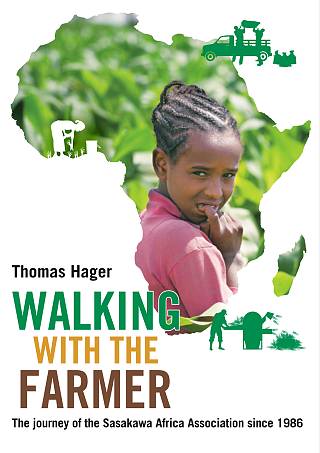
SAA history book
"Walking with the Farmer: The journey of the Sasakawa Africa Assoication since 1986"
This book chronicles the history of SAA from its inception to the present.
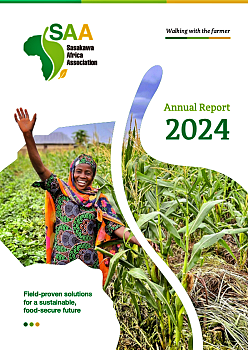
Annual Report
Annual Report FY2024
Annual Report FY2024 is available here.


