


June 29, 2026
In Tiola, traditional sorghum is much more than a staple crop. It is part of the community’s culture and identity. For generations, women have prepared sorghum-based dishes using recipes and techniques passed down within families. While these meals are cherished for their taste and cultural value, their nutritional potential has not often been fully utilized. In Tiola, food is not only about filling the stomach; it is closely linked to health and long life.
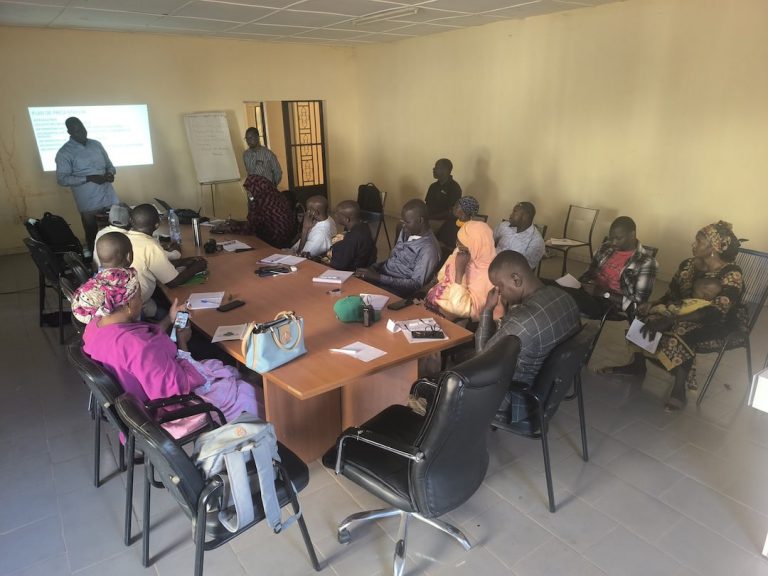
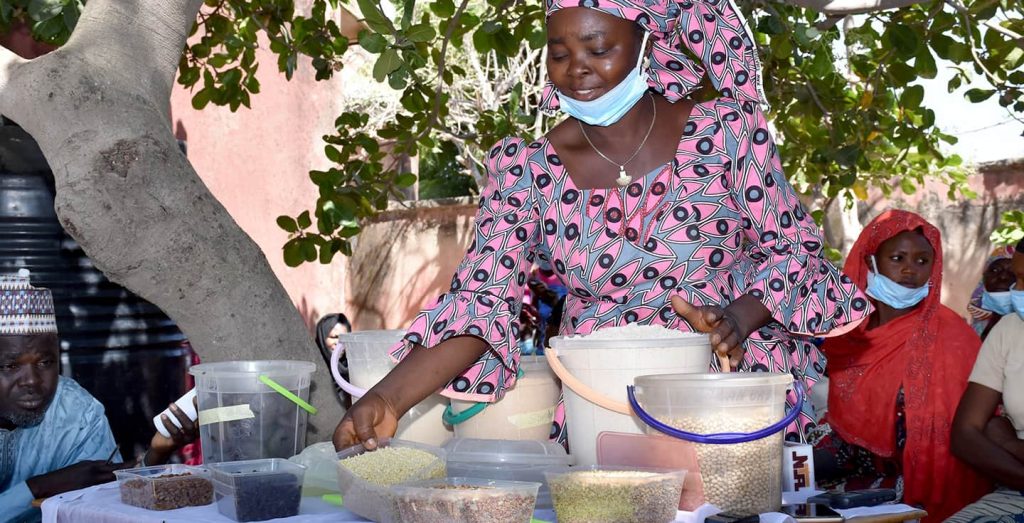
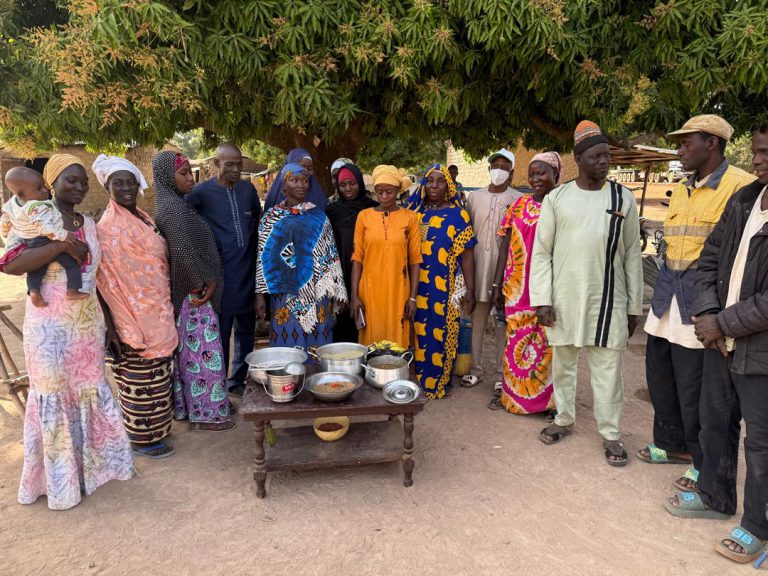
To unlock this potential, the Sasakawa Africa Association (SAA) Mali, through its Community-Based Facilitator (CBF) Simba Sangare, recently organized a hands-on demonstration session. Women processors, farmers, and community members came together to learn practical ways to prepare improved versions of traditional sorghum-based meals. The new approaches focus on nutrition, hygiene, and dietary diversity, using readily available local ingredients.
Tailoring Nutrition for the Most Vulnerable: The Revival of Laro
The demonstration highlighted how traditional dishes can be adapted to meet specific dietary needs within the household. Among these, sorghum Laro—a light, easily digestible porridge—has long been used to support the nutritional needs of elderly people, pregnant women, and individuals recovering from illness.
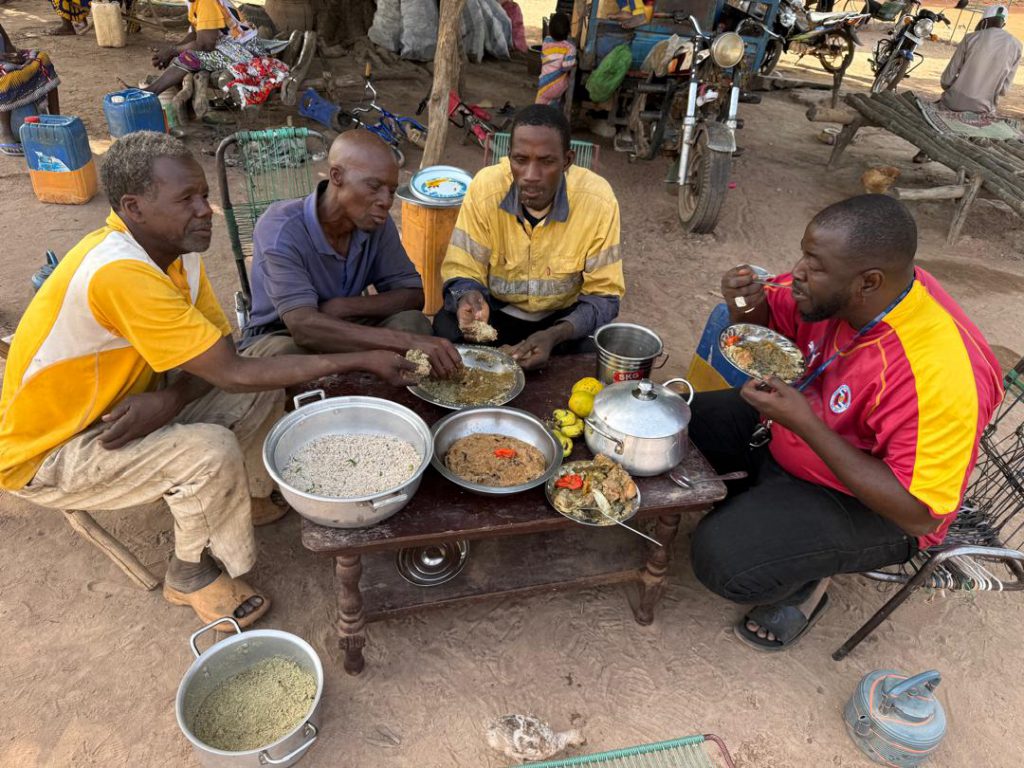
Unlike Djouka, a savory, energy-dense steamed sorghum dish traditionally blended with groundnut powder and consumed by the whole family, Laro is specifically valued for its softness and digestibility, making it particularly suitable for vulnerable groups. The session introduced improved preparation techniques to enhance hygiene, improve the food’s texture and nutritional value, and preserve its cultural identity.
Women caregivers actively participated and shared their experiences. One participant explained: “For my elderly mother, heavy foods are difficult to digest. With this improved Laro, I can prepare something clean, light, and nourishing.”
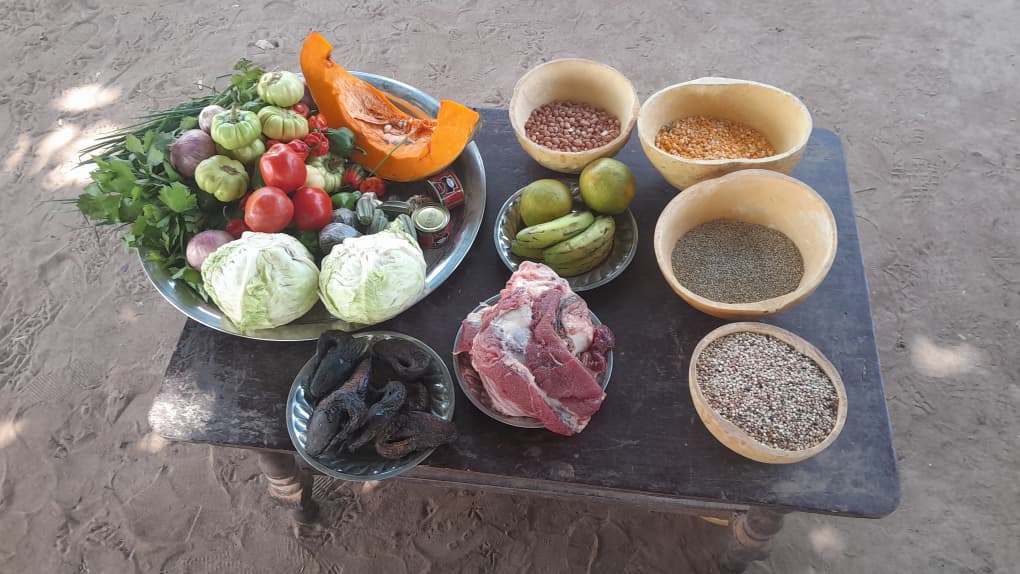
Enriching Everyday Meals with Local Ingredients
Participants learned how locally available ingredients such as milk, groundnuts, legumes, fish, and vegetables can significantly increase the protein and micronutrient content of their meals. By incorporating these ingredients, families can create more balanced diets that combine energy-giving, body-building, and protective foods without altering the traditional character of the dishes.
The training resonated with many participants. One female participant shared: “I prepare Djouka almost every week. Today I learned how to enrich it with vegetables and ground nuts. I can already see how this will help my children eat better without changing what we usually cook.”
Beyond cooking techniques, a strong emphasis was placed on food safety practices. Participants were trained in strict household hygiene practices, including the use of clean water, proper storage of sorghum flour, and same-day preparation, to protect vulnerable consumers.
Empowering Women and Boosting Local Economies
The demonstration did more than improve household nutrition education; it also highlighted emerging business opportunities. Recognizing the growing demand for nutritious and culturally accepted foods in both urban and rural markets, several participants expressed strong interest in preparing and marketing these improved sorghum products. Such emerging business opportunities have the potential to increase household incomes while promoting healthier diets across the broader community.
Ultimately, the initiative reinforced the vital role women play in promoting household food security and nutrition. Many caregivers reported greater confidence in preparing meals that better meet the nutritional needs of children, pregnant women, and elderly family members, while relying less on costly processed foods.
By beautifully blending cultural heritage with improved nutritional practices, this initiative demonstrates how local foods like sorghum Laro and Djouka can contribute to healthier households, empower women economically, and foster more resilient local food systems in Tiola.
Get notified when new stories are available.
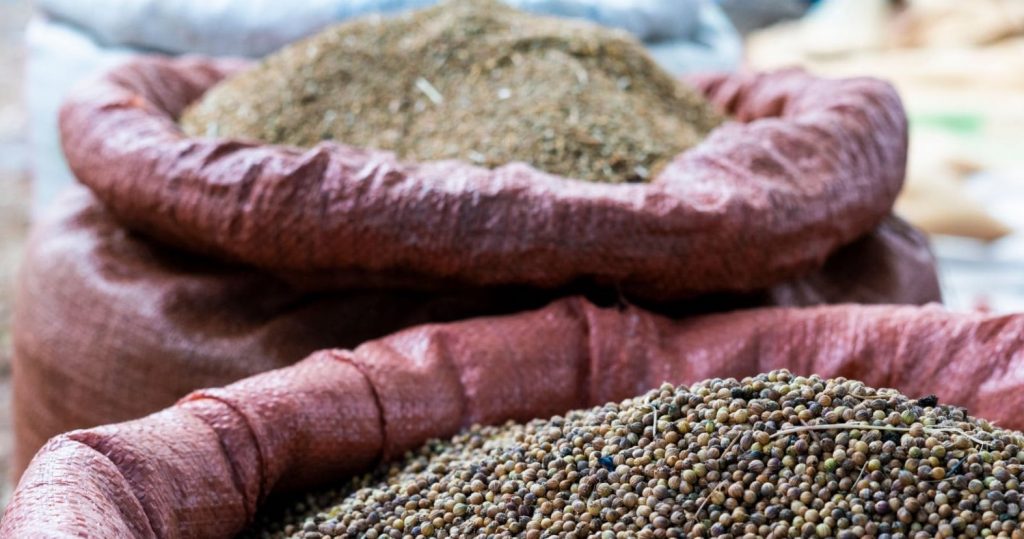
Last year, SAA conducted a demonstration in Mali to illustrate to farmers the effectiveness of hermetic storage. We established demonstration tests in farmers’ homes withing the village of Doumbadjila, where, for nine months, starting March 5, 2021 to December 8, 2021, equal quantities of maize and sorghum were stored in different containers including plastic silos, PICS bags, recycled plastic containers. Ordinary polypropylene (PPP) bags were used as controls for the test. The grains from the different containers were visually assessed for quality at the end of the test period by 179 participants, including 177 farmers (112 men; 65 women) and two extension agents (both male). The grains in the hermetic storage containers were found to be in perfect condition, free of insect-pest damage, and had no color or odor change. These qualities made them good for domestic consumption and seed production, as well as for sale in markets, where they fetched higher prices. Meanwhile, those in the PPP bags were full of insects and were generally in bad condition. The test confirmed that farmers using hermetic storage could make more savings by eliminating the costs incurred in the purchase of pesticides, which are mandatory when using non-hermetic storage techniques. Hermetic storage was also shown to be superior to other storage techniques as it left the products free of chemicals and thus safe for consumption.
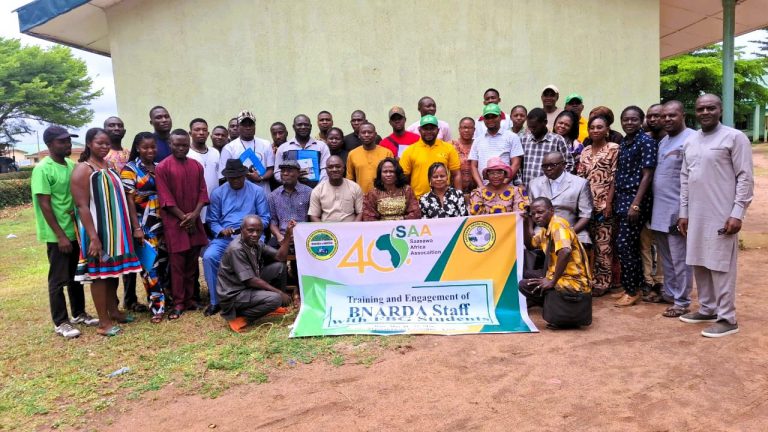
SAA trained 125 frontline extension agents including eight community health extension workers on the usage of nutrient-dense crops in creating balanced diets and improving food diversity options. The trained agents cascaded the knowledge to 8,635 farmers (6,928 male; 1,707 female) in the Nasarawa, Jigawa, Gombe and Kano states of Nigeria. The programme was part of SAA’s strategy of using Nutrition Sensitive Agriculture to promote the consumption of adequate local balanced diets that improve the Household Dietary Diversity Score (HHDS) by reducing the stunting rate for children under five years of age. The nutrition awareness program encouraged farmers to consume the diverse local foods, in addition to embracing hygiene and physical exercise for good health. It also addressed the importance of breast and complementary feeding for babies as part of the approaches for malnutrition reduction in the targeted communities.
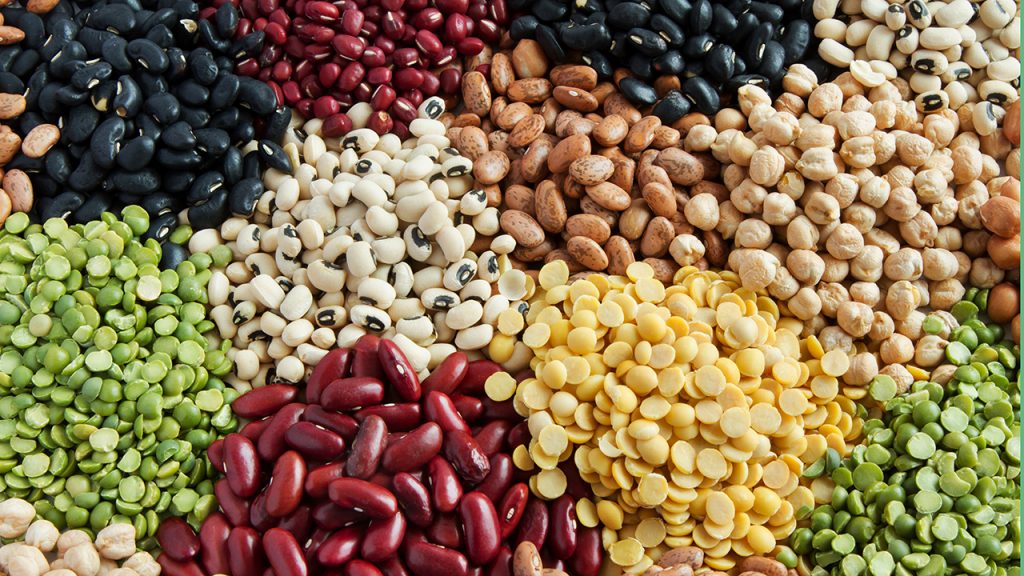
In a bid to combat Vitamin A and Iron deficiency in Uganda, SAA introduced farmers in Lutete, a village in the country’s Mubende District, to nutrient-dense, iron-reach beans, and orange-fleshed sweet potatoes. Together with HarvestPlus, SAA trained the leaders of the Nkobazambogo farmers group on how to grow, process and preserve the super beans and sweet potatoes. The training also covered meal planning and preparation, with a focus on child-feeding and caregiving. The bio-fortified foods were especially recommended for children and women of reproductive age, like Nkobazambogo chairperson, Aisha Nakibule, who attested to their effectiveness. “It is rare to find malnourished children in our village; four years ago, it was a different story,” she explained.
Ms. Nakibule noted that the bio-fortified beans are tasty, take a short time to cook and can be profitably cultivated.
“Last season, we harvested slightly over 11 bags of beans out of which we sold nine at UGX1.5m (USD416), shared two amongst members, and retained 50kg for planting,” she said. The project was part of SAA’s strategy to support smallholder farmers in fighting malnutrition through nutrition-sensitive agriculture. This is against data from the Global Nutrition Report 2021 showing that 28.9% of children under five years of age in Uganda are stunted, 3.5% are wasting away, and 32.8% of women of reproductive age are anemic. The report also showed that 28% of Uganda’s preschool children suffer from vitamin A deficiency.
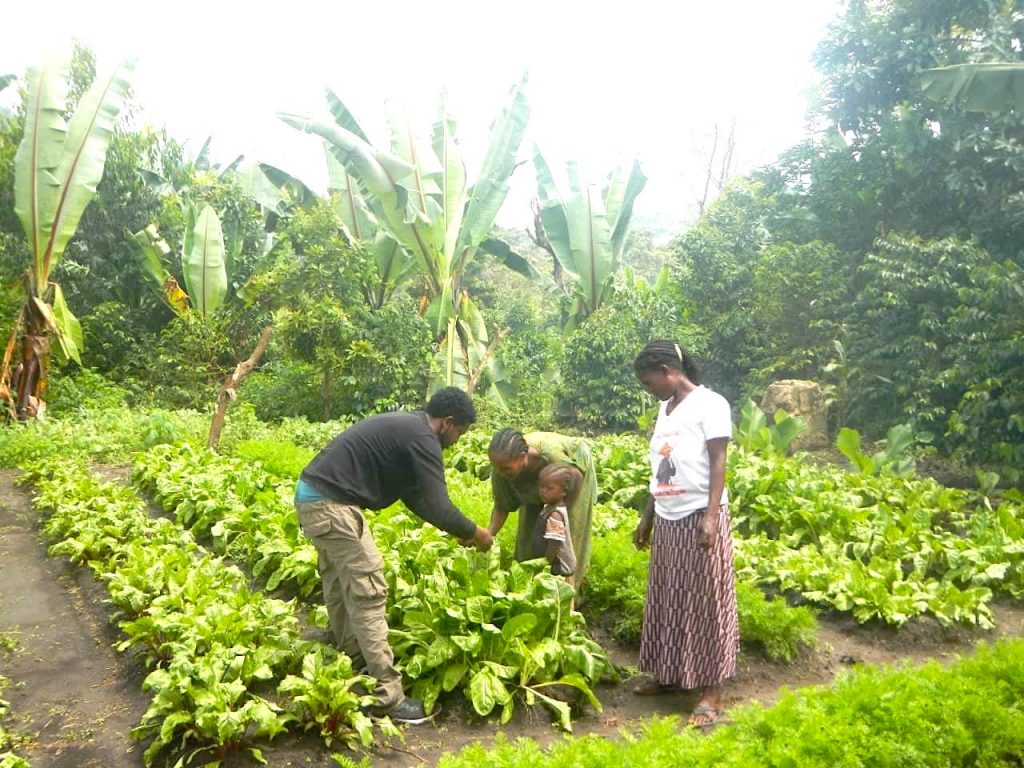
Since 2020, SAA has been promoting permagardening techniques in Ethiopia reaching a significant number of households, including 84 in Seboba Wesherbi, a village in the Raya Boda kebele of the Ana Sora woreda in the Oromia region. In 2021, SAA trained 28 farmers in Seboba Wesherbi, demonstrating how perma-gardening conserves water and improves soil fertility, allowing for easy root growth and, ultimately, higher crop yields. Furthermore, the training introduced participants to new vegetables like Swiss chard, which has a high biomass and can be harvested continuously. Following the training, 51 households established permagardens in their backyards; the additional 23 being those that did not attend the workshop but learned from their trained neighbours. Out of 51 perma-gardens, 35 were excellently established, allowing their owners to save USD 4 -6 USD per week that would have, otherwise, been spent on vegetable purchases. The new permagardens converted idle backyard plots into functional units that produce fresh and healthy vegetables, improving the household nutritional status in the region, and enabling farmers to generate additional income, with some households generating new revenue streams of up to USD100 over five months from vegetable sales.
Last year, SAA conducted a demonstration in Mali to illustrate to farmers the effectiveness of hermetic storage. We established demonstration tests in farmers’ homes withing the village of Doumbadjila, where, for nine months, starting March 5, 2021 to December 8, 2021, equal quantities of maize and sorghum were stored in different containers including plastic silos, PICS bags, recycled plastic containers. Ordinary polypropylene (PPP) bags were used as controls for the test. The grains from the different containers were visually assessed for quality at the end of the test period by 179 participants, including 177 farmers (112 men; 65 women) and two extension agents (both male). The grains in the hermetic storage containers were found to be in perfect condition, free of insect-pest damage, and had no color or odor change. These qualities made them good for domestic consumption and seed production, as well as for sale in markets, where they fetched higher prices. Meanwhile, those in the PPP bags were full of insects and were generally in bad condition. The test confirmed that farmers using hermetic storage could make more savings by eliminating the costs incurred in the purchase of pesticides, which are mandatory when using non-hermetic storage techniques. Hermetic storage was also shown to be superior to other storage techniques as it left the products free of chemicals and thus safe for consumption.
SAA trained 125 frontline extension agents including eight community health extension workers on the usage of nutrient-dense crops in creating balanced diets and improving food diversity options. The trained agents cascaded the knowledge to 8,635 farmers (6,928 male; 1,707 female) in the Nasarawa, Jigawa, Gombe and Kano states of Nigeria. The programme was part of SAA’s strategy of using Nutrition Sensitive Agriculture to promote the consumption of adequate local balanced diets that improve the Household Dietary Diversity Score (HHDS) by reducing the stunting rate for children under five years of age. The nutrition awareness program encouraged farmers to consume the diverse local foods, in addition to embracing hygiene and physical exercise for good health. It also addressed the importance of breast and complementary feeding for babies as part of the approaches for malnutrition reduction in the targeted communities.
In a bid to combat Vitamin A and Iron deficiency in Uganda, SAA introduced farmers in Lutete, a village in the country’s Mubende District, to nutrient-dense, iron-reach beans, and orange-fleshed sweet potatoes. Together with HarvestPlus, SAA trained the leaders of the Nkobazambogo farmers group on how to grow, process and preserve the super beans and sweet potatoes. The training also covered meal planning and preparation, with a focus on child-feeding and caregiving. The bio-fortified foods were especially recommended for children and women of reproductive age, like Nkobazambogo chairperson, Aisha Nakibule, who attested to their effectiveness. “It is rare to find malnourished children in our village; four years ago, it was a different story,” she explained.
Ms. Nakibule noted that the bio-fortified beans are tasty, take a short time to cook and can be profitably cultivated.
“Last season, we harvested slightly over 11 bags of beans out of which we sold nine at UGX1.5m (USD416), shared two amongst members, and retained 50kg for planting,” she said. The project was part of SAA’s strategy to support smallholder farmers in fighting malnutrition through nutrition-sensitive agriculture. This is against data from the Global Nutrition Report 2021 showing that 28.9% of children under five years of age in Uganda are stunted, 3.5% are wasting away, and 32.8% of women of reproductive age are anemic. The report also showed that 28% of Uganda’s preschool children suffer from vitamin A deficiency.
Since 2020, SAA has been promoting permagardening techniques in Ethiopia reaching a significant number of households, including 84 in Seboba Wesherbi, a village in the Raya Boda kebele of the Ana Sora woreda in the Oromia region. In 2021, SAA trained 28 farmers in Seboba Wesherbi, demonstrating how perma-gardening conserves water and improves soil fertility, allowing for easy root growth and, ultimately, higher crop yields. Furthermore, the training introduced participants to new vegetables like Swiss chard, which has a high biomass and can be harvested continuously. Following the training, 51 households established permagardens in their backyards; the additional 23 being those that did not attend the workshop but learned from their trained neighbours. Out of 51 perma-gardens, 35 were excellently established, allowing their owners to save USD 4 -6 USD per week that would have, otherwise, been spent on vegetable purchases. The new permagardens converted idle backyard plots into functional units that produce fresh and healthy vegetables, improving the household nutritional status in the region, and enabling farmers to generate additional income, with some households generating new revenue streams of up to USD100 over five months from vegetable sales.